If you are thinking about divorce, one of the first things you are probably worrying about is cost. And rightly so. Most people assume divorce means traditional solicitors, hourly rates, letters back and forth, and a legal bill that keeps climbing every time somebody...
People regularly ask whether it’s better to be the applicant or the respondent in a divorce. Under the current no-fault divorce system in England and Wales, either spouse — or both together — can start proceedings. But in practice, who applies first can make a major...
The mere thought of divorce can be enough for many of us to bury our heads in the sand. Legal jargon, advice from well-meaning friends and sometimes not-so-well-meaning feedback from an ex-spouse can all add to the confusion and stress that leads to expensive...
If you cannot afford the mortgage on your own after divorce, that does not always mean you have to sell the family home. Depending on your circumstances, it may still be possible to keep the home by buying your ex out, staying jointly on the mortgage for a period, or...
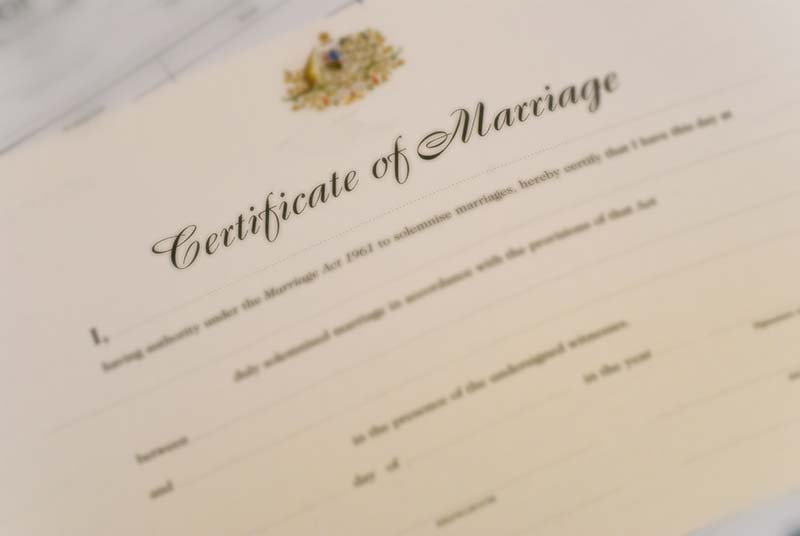
To get a divorce in England and Wales, you must provide the court with a copy of your original marriage certificate. So what happens if you’ve lost your divorce certificate? Does that mean you can’t get divorced? Thankfully not, there are solutions...
You can apply for a special expenses variation for the following:
Travel costs to maintain regular contact with your child (if more than £10 a week)
Costs connected with supporting a child with a disability or a long-term illness
Repaying debts from your former relationship, e.g. a loan for a car the receiving parent has kept
Boarding school fees for children who qualify for child maintenance
Paying the mortgage for the property where the receiving parent and child live
Book a Consultation
[gravityform id="5" title="false" ajax="true"]
Basic Rate The Basic rate applies the amount of child maintenance you will pay each week is based on the following percentages:
12% for one child
16% for two children
19% for three or more children
Basic Plus Rate If your gross weekly income is more than £800, the Basic Plus rate of child maintenance is applied as well as the Basic rate. In addition to the percentage rates applied to the first £800 above, the following percentages are calculated on any balance over £800:
9% for one child
12% for two children
15% for three or more children
The basic plus rate is capped at £3000 per week.
Reduced Rate For the reduced rate you would pay a fixed rate of £7 a week for the first £100 and the following percentage will be applied to the balance:
17% for one child
25% for two children
31% for three or more children
Flat Rate and Nil Rate If your weekly gross income is less than £100 or you or your partner receive certain benefits, you would pay a flat rate of £7 a week in child maintenance.
If you are under 16, a student aged 19 or less, in prison or in a care home, you would not have to pay any child maintenance.
The more nights that your children stay overnight with you, the more the calculator will reduce the weekly amount of child maintenance:
52 to 103 nights = 1/7 (14% reduction)
104 to 155 nights = 2/7 reduction
156 to 174 nights = 3/7 reduction
More than 175 = 50% reduction plus an extra £7 a week for each child
If you have other children, the calculator will reduce your weekly gross income by the following percentage: